Tourism Trends: What’s Shaping the Future of Travel?

Travel and tourism have always been integral parts of human culture, serving as gateways to adventure, discovery, and connection. But in recent years, the tourism industry has evolved dramatically. From technological advancements to shifts in traveler priorities, the way we explore the world is constantly changing. If you’re curious about where travel is headed in the coming years, this blog will dive into some of the key trends shaping the future of tourism.


1. The Rise of Experiential Travel

Gone are the days when simply visiting a popular tourist spot was enough. Travelers today are seeking more than just a photo op; they crave authentic, hands-on experiences that allow them to truly connect with a destination. This has given rise to experiential travel, where activities like cooking classes, guided nature treks, volunteering, and cultural exchanges are at the forefront of many itineraries.

Whether it’s learning the art of sushi-making in Japan, hiking through remote villages in Peru, or staying with local families in Africa, travelers are looking for meaningful ways to engage with a place’s culture, traditions, and people. This shift towards experience-driven trips is reshaping how tourism businesses market destinations, and it’s empowering travelers to immerse themselves more deeply in the destinations they visit.

Why it’s trending:

  • Desire for personal connection and immersion.
  • Authenticity is valued over traditional sightseeing.
  • Positive impact on local communities and cultures.


2. The Boom of Solo Travel

Solo travel is becoming increasingly popular, especially among millennials and Gen Z. More and more people are choosing to embark on journeys alone, seeking self-discovery, personal growth, and the freedom to explore on their own terms. Solo travel allows individuals to design their own itineraries, connect with new people, and experience destinations without the distractions of a group or partner.

As a result, tour companies are catering to solo travelers, offering group trips designed specifically for those who want to explore with others but still retain their independence. Countries and cities that are safe, welcoming, and rich in cultural experiences are seeing an increase in solo travelers. This trend is also supported by the rise of digital nomadism, where people are working remotely and traveling the world simultaneously.

Why it’s trending:

  • Increased independence and flexibility.
  • Growth of remote work and digital nomad lifestyle.
  • Strong sense of empowerment and personal achievement.


3. Sustainable and Eco-Friendly Travel

As awareness of environmental issues continues to grow, more travelers are seeking ways to reduce their carbon footprint while exploring the world. Sustainable tourism is no longer just a buzzword—it’s a crucial part of the industry’s evolution. This trend encourages responsible travel practices, such as supporting eco-friendly hotels, choosing sustainable modes of transport, and minimizing waste.

Eco-tourism is on the rise, with more travelers opting to visit nature reserves, national parks, and eco-conscious destinations that prioritize conservation. In addition, many tour operators now offer carbon-offsetting programs, and airlines are making strides toward reducing emissions through more fuel-efficient aircraft and sustainable aviation fuel.

Why it’s trending:

  • Growing concern about climate change and environmental degradation.
  • Desire to protect and preserve natural landscapes and wildlife.
  • Rise in responsible consumerism and ethical travel choices.


4. Technology Enhancing the Travel Experience

The travel industry has embraced technology in remarkable ways. From booking your flight and accommodations to navigating a new city, digital tools are transforming how we plan and experience travel. Some of the most exciting innovations include:

  • AI and Chatbots: Many travel companies are using artificial intelligence to personalize travel experiences. AI-driven apps now offer tailored recommendations for activities, dining, and attractions based on your preferences and previous travel history.
  • Virtual Reality (VR): VR is being used for pre-trip planning, offering immersive experiences that allow travelers to virtually explore destinations before booking. It’s also being used in museums and cultural sites to offer interactive tours.
  • Contactless Travel: The COVID-19 pandemic accelerated the adoption of contactless technologies. From digital boarding passes to hotel check-ins via mobile apps, technology is making travel safer and more efficient.

These advancements not only make the travel experience more seamless but also provide travelers with more flexibility and control during their journey.

Why it’s trending:

  • Convenience and efficiency through digital tools.
  • Enhanced personalization for travel planning.
  • Safety and hygiene protocols through tech innovations.


5. Health and Wellness Tourism

As people become more health-conscious, wellness tourism is gaining momentum. This trend encompasses a wide range of travel experiences focused on physical, mental, and spiritual well-being. Whether it’s a yoga retreat in Bali, a spa weekend in Switzerland, or a meditation escape in the Himalayas, wellness tourism is about prioritizing self-care while traveling.

Additionally, many destinations are embracing holistic health by offering access to clean air, organic food, and natural therapies. Cities and resorts are also providing health-conscious options, such as organic restaurants, fitness classes, and mindfulness workshops. Wellness tourism is no longer just about indulgence; it’s about achieving a balance between relaxation and rejuvenation.

Why it’s trending:

  • Growing focus on mental health and self-care.
  • Desire for relaxation and stress relief.
  • Increasing interest in fitness, nutrition, and mindfulness.


6. Staycations and Local Travel

In response to travel restrictions during the COVID-19 pandemic, many people turned to staycations, or local getaways, as an alternative to international travel. Even as borders reopen, the trend of exploring one’s own country or nearby regions continues to gain popularity.

Staycations allow travelers to discover hidden gems in their own backyards—whether it’s exploring a neighboring city, hiking in a nearby national park, or staying at a luxurious resort within a short drive. With the ongoing interest in sustainability and eco-conscious travel, staycations are a great way to reduce your carbon footprint while still enjoying a refreshing break from routine.

Why it’s trending:

  • Economic benefits of staying closer to home.
  • Desire to explore local gems and support regional businesses.
  • Easier planning and flexibility.


7. Multi-Generational Travel

Another trend that has emerged in recent years is multi-generational travel, where families of various ages come together to vacation. Grandparents, parents, children, and sometimes even great-grandparents, are traveling together to create shared experiences and memories. This type of travel allows families to bond, explore new destinations, and celebrate milestones together.

Destinations that offer a wide range of activities for different age groups—such as resorts with kid-friendly amenities, adventure excursions for teens, and relaxed experiences for older generations—are seeing an increase in multi-generational bookings.

Why it’s trending:

  • Stronger family connections and shared memories.
  • Destinations are becoming more inclusive for all ages.
  • Demand for family-oriented activities and accommodations.


Conclusion: Travel Is Evolving, and So Are We

The future of tourism is bright, diverse, and filled with opportunities for new experiences. Whether you’re embarking on an eco-conscious adventure, traveling solo, or seeking relaxation and wellness, the trends shaping the industry reflect the changing needs and desires of today’s traveler.

As we continue to explore new destinations and connect with cultures around the world, it’s important to remember the impact of our choices on the planet and its people. By traveling mindfully, embracing new technology, and supporting sustainable practices, we can ensure that travel remains a force for good.

The world is waiting, and it’s up to us to make the most of every journey.

Where will your next adventure take you? Let us know in the comments!

The Ultimate Guide to Tourism: Exploring the World Beyond the Tourist Traps

Tourism is one of the most powerful forces in the world. It opens doors to new experiences, cultures, and people, broadening our horizons and creating memories that last a lifetime. As the world becomes increasingly interconnected, more and more people are venturing out to explore every corner of the globe. Whether you’re a seasoned traveler or a first-time adventurer, the world of tourism offers endless opportunities for discovery.

In this blog, we’ll explore the many facets of tourism, how it’s evolved, and how you can make the most of your travel experiences, all while avoiding common pitfalls.


The Evolution of Tourism

Tourism has changed dramatically over the years. From the early days of grand European tours to the rise of budget airlines and digital nomadism, tourism has become more accessible and diverse than ever before.

In the past, traveling was largely reserved for the elite, but with the advent of affordable air travel, online booking platforms, and budget-friendly accommodations like hostels and Airbnb, travel has become more accessible to people from all walks of life. Today, the tourism industry is booming, with millions of people exploring the world each year.

The rise of social media has also reshaped how we travel. People now seek unique, Instagram-worthy locations and experiences to share with their followers. While this has led to the discovery of hidden gems, it’s also created a phenomenon where certain destinations become overcrowded and suffer from over-tourism. This has raised important questions about sustainable travel and how to protect the places we love.


Sustainable Tourism: Traveling Responsibly

As tourism grows, so does the responsibility to protect our planet and its inhabitants. Sustainable tourism focuses on minimizing the negative environmental, social, and economic impacts of travel while maximizing the benefits for local communities. Here are a few ways you can travel responsibly:

  • Choose Eco-Friendly Accommodations: Many hotels, resorts, and hostels are now adopting sustainable practices, such as reducing water usage, using renewable energy, and supporting local conservation efforts. Look for accommodations with eco-certifications or those that promote green initiatives.
  • Respect Local Cultures: Be mindful of the cultural practices and traditions of the places you visit. Learn about the local customs, dress codes, and etiquette to avoid inadvertently offending anyone. Supporting local artisans and businesses also helps sustain the local economy.
  • Reduce Your Carbon Footprint: Traveling by train or bus instead of flying, or choosing direct flights to reduce emissions, are great ways to lessen your environmental impact. You can also offset your carbon emissions by contributing to environmental projects.
  • Minimize Waste: Pack reusable items like water bottles, utensils, and bags to avoid contributing to plastic waste. Opt for sustainable products and make an effort to leave no trace during your travels.


Off-the-Beaten-Path Destinations: Escaping the Crowds

One of the most exciting aspects of tourism is discovering new places. While popular destinations like Paris, Rome, and Bali will always be attractive to travelers, the rise of social media and travel blogs has led to the discovery of many lesser-known gems. Escaping the crowds not only offers a more authentic experience, but it also helps alleviate the pressure on over-touristed locations.

Here are a few off-the-beaten-path destinations worth considering:

  • Bhutan: This small Himalayan kingdom is famous for its emphasis on Gross National Happiness rather than economic growth. Known for its stunning monasteries, breathtaking mountain views, and commitment to environmental conservation, Bhutan is a serene and unique destination for those looking for peace and mindfulness.
  • Faroe Islands: Nestled between Iceland and Norway, the Faroe Islands are a hidden gem that offers dramatic landscapes, picturesque villages, and an untouched atmosphere. The rugged terrain and remote location make it perfect for nature lovers and those seeking solitude.
  • Georgia (the country): Often overshadowed by its neighbors, Georgia offers a fascinating blend of history, culture, and natural beauty. From the wine-producing region of Kakheti to the ancient cave city of Uplistsikhe, Georgia offers travelers a chance to explore the lesser-known side of Eastern Europe.
  • Ladakh, India: Located in the northernmost region of India, Ladakh is a land of rugged beauty. With its high-altitude deserts, Buddhist monasteries, and clear blue skies, this region offers a peaceful escape from the hustle and bustle of mainstream tourism.
  • Colombia: While places like Cartagena and Medellín are gaining popularity, Colombia’s diverse landscapes—from the Amazon rainforest to the Andes mountains—still remain largely undiscovered by mass tourism. The vibrant culture, welcoming locals, and delicious food are just a few reasons to visit.


The Future of Tourism: Technology and Innovation

As technology continues to evolve, so too does the way we travel. In the coming years, we’re likely to see several trends shaping the future of tourism:

  • Virtual and Augmented Reality: Imagine touring the Colosseum or the Louvre from the comfort of your home, or using augmented reality to get detailed information about historical sites as you explore them in person. VR and AR are revolutionizing the way we experience destinations.
  • Smart Travel: With advancements in artificial intelligence and machine learning, personalized travel recommendations are becoming more accurate. From AI-driven itinerary planners to apps that provide real-time translations, technology is making travel easier and more accessible.
  • Space Tourism: While it may sound futuristic, space tourism is becoming a reality. Companies like SpaceX and Blue Origin are working on plans to take civilians into space, offering a once-in-a-lifetime experience that could redefine what it means to travel.
  • Hyperloop and Faster Transport: The concept of traveling at incredible speeds—such as through Elon Musk’s Hyperloop system—could drastically reduce travel time between cities, making distant destinations more accessible and encouraging faster exploration of the world.


Tips for a Memorable Travel Experience

To ensure your trips are truly memorable, here are a few travel tips to keep in mind:

  • Embrace Slow Travel: Rather than rushing from one destination to another, take time to immerse yourself in the culture and enjoy each place at a leisurely pace. Slow travel often leads to deeper connections and more meaningful experiences.
  • Go Beyond the Tourist Attractions: While landmarks are often iconic and worth visiting, don’t forget to explore the local neighborhoods, try regional cuisines, and interact with locals to get a fuller experience of the destination.
  • Stay Curious and Open-Minded: Keep an open mind and embrace the unknown. Every culture has something unique to offer, and the more you explore, the more you’ll learn about the world around you.


Conclusion: The World is Waiting for You

Tourism is a powerful tool for personal growth, education, and global understanding. It allows us to discover new places, forge meaningful connections, and explore the beauty of our planet. Whether you’re seeking adventure, relaxation, or cultural immersion, there’s a destination out there waiting for you.

The key is to travel responsibly, be mindful of your impact, and embrace the rich diversity that the world has to offer. So, what are you waiting for? Pack your bags, plan your next adventure, and explore the world beyond the tourist traps.

Exploring the Best Travel Destinations Around the World

Traveling is one of the most enriching experiences one can have. Whether it’s for adventure, relaxation, culture, or simply exploring something new, the world is full of incredible destinations that cater to every type of traveler. From pristine beaches to majestic mountains and vibrant cities, here’s a roundup of some of the best travel destinations that should be on your bucket list.


1. Santorini, Greece: A Sunset Paradise

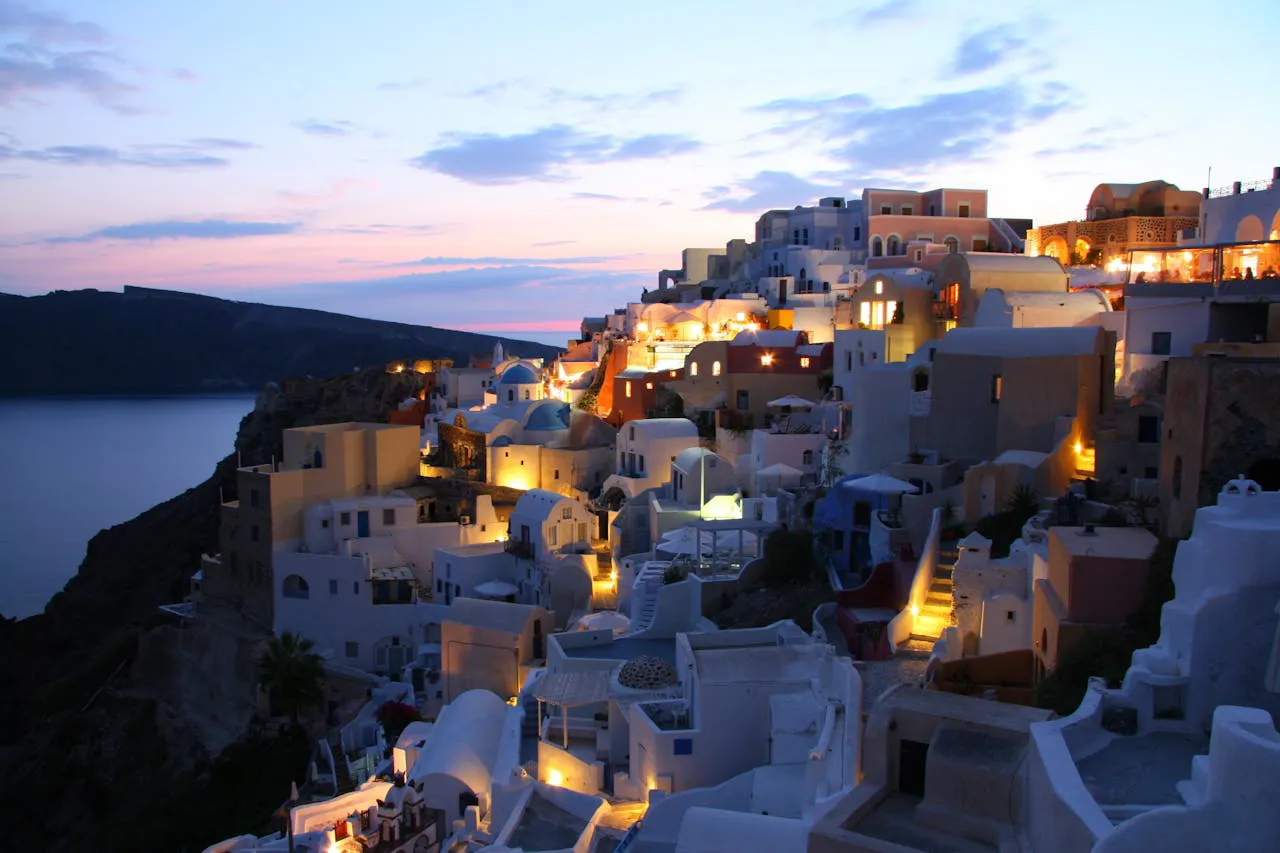
Santorini, known for its iconic white-washed buildings with blue domes, is one of the most picturesque destinations in the world. Located in the Aegean Sea, this Greek island offers breathtaking views, crystal-clear waters, and magical sunsets. The towns of Oia and Fira are perfect for leisurely walks, and the black sand beaches are ideal for relaxation. Santorini is also famous for its excellent cuisine, wine, and vibrant culture, making it a must-see for anyone visiting Greece.

Why visit:

  • Stunning views and sunsets.
  • Charming towns and beaches.
  • Rich history and culture.

2. Kyoto, Japan: A Blend of Tradition and Nature

Kyoto, Japan’s cultural heart, is a place where the old meets the new in perfect harmony. The city is home to ancient temples, serene gardens, and traditional tea houses. Visitors can enjoy the famous Arashiyama Bamboo Grove, stroll through the stunning Kiyomizu-dera Temple, and visit the iconic Fushimi Inari Shrine. In spring, the cherry blossoms in Kyoto offer one of the most beautiful sights, making it an ideal destination year-round.

Why visit:

  • Ancient temples and shrines.
  • Beautiful gardens and nature spots.
  • Rich cultural experiences, including tea ceremonies.

3. Machu Picchu, Peru: A Journey Through History

For those who love history and adventure, Machu Picchu in Peru is a dream destination. This ancient Incan city, nestled high in the Andes Mountains, is one of the Seven Wonders of the World. The trek to Machu Picchu, either through the classic Inca Trail or other routes, offers a chance to immerse yourself in breathtaking landscapes while discovering ancient ruins along the way.

Why visit:

  • A UNESCO World Heritage site.
  • Stunning mountain landscapes.
  • Rich cultural and historical significance.

4. Bora Bora, French Polynesia: An Island of Luxury

If you’re looking for a tropical paradise, Bora Bora is the ultimate destination. Known for its crystal-clear lagoons, overwater bungalows, and vibrant coral reefs, this island is perfect for a relaxing beach vacation. Visitors can enjoy snorkeling, diving, and exploring the island’s tropical wildlife. Bora Bora is also an ideal honeymoon destination, offering privacy, luxury, and a taste of true paradise.

Why visit:

  • Pristine beaches and crystal-clear waters.
  • Overwater bungalows for ultimate luxury.
  • Perfect for romance and relaxation.

5. Cape Town, South Africa: A City of Natural Wonders

Cape Town offers a unique blend of city life and natural beauty. From the iconic Table Mountain to the beautiful beaches of Clifton and Camps Bay, this South African city is a haven for outdoor enthusiasts. Whether you’re hiking up a mountain, exploring vibrant neighborhoods, or enjoying world-class wines in the nearby Cape Winelands, Cape Town offers a diverse and enriching experience.

Why visit:

  • Table Mountain and stunning natural landscapes.
  • Vibrant city culture and excellent food.
  • Access to nearby winelands and wildlife experiences.

6. Rome, Italy: The Eternal City

Rome, the capital of Italy, is a city that combines ancient history with modern vibrancy. With landmarks like the Colosseum, Roman Forum, and Vatican City, there’s no shortage of things to explore. In addition to its historic sites, Rome is famous for its rich art, delicious food, and lively piazzas. It’s a place where the past meets the present in an exciting and immersive way.

Why visit:

  • Ancient ruins and historical landmarks.
  • Incredible food, coffee, and gelato.
  • World-renowned art and architecture.

7. Reykjavik and the Golden Circle, Iceland: Nature’s Playground

Iceland is a land of raw beauty, offering a unique landscape of glaciers, volcanoes, geysers, and waterfalls. The capital, Reykjavik, serves as a gateway to the country’s stunning natural wonders, including the famous Golden Circle route. Highlights of the Golden Circle include the Geysir geothermal area, the stunning Gullfoss waterfall, and Thingvellir National Park, a UNESCO World Heritage site. And don’t forget to experience the famous Blue Lagoon for a rejuvenating soak in geothermal waters.

Why visit:

  • Otherworldly landscapes and natural beauty.
  • Outdoor adventures like hiking and whale watching.
  • Unique geothermal experiences.

8. New York City, USA: The City That Never Sleeps

New York City is a vibrant and bustling metropolis that offers something for everyone. From iconic landmarks like Times Square and the Statue of Liberty to world-class museums such as the Metropolitan Museum of Art, the city is an endless source of culture and entertainment. Whether you’re strolling through Central Park, enjoying Broadway shows, or shopping in SoHo, NYC promises excitement at every turn.

Why visit:

  • Iconic landmarks and attractions.
  • Cultural and entertainment capital.
  • Shopping, dining, and nightlife.

9. Queenstown, New Zealand: The Adventure Capital of the World

For adrenaline junkies and nature lovers, Queenstown is the ultimate destination. Located on the South Island of New Zealand, this town is surrounded by dramatic mountains and pristine lakes, making it perfect for outdoor activities like bungee jumping, skydiving, skiing, and hiking. Queenstown is also known for its adventure sports, wine-tasting tours, and stunning landscapes that have featured in numerous films.

Why visit:

  • Thrilling adventure sports.
  • Breathtaking landscapes and natural beauty.
  • Access to outdoor activities year-round.

10. Petra, Jordan: A Lost City of Wonder

Petra, often referred to as the “Rose City,” is a UNESCO World Heritage site and one of the New Seven Wonders of the World. This ancient city, carved into rose-red sandstone cliffs, offers an unforgettable experience as you explore its temples, tombs, and unique architecture. The most famous landmark is the Treasury, which has been featured in countless films. Petra is a must-see for anyone with a love for history, archaeology, and breathtaking scenery.

Why visit:

  • Explore the ancient Nabatean city.
  • Unique and awe-inspiring architecture.
  • A must-see historical wonder.

Conclusion: The World is Your Oyster

The world is filled with diverse destinations waiting to be explored, each offering its own unique experiences and unforgettable memories. Whether you seek history, culture, adventure, or relaxation, the best travel destinations offer a little bit of everything. So pack your bags, grab your passport, and start planning your next journey to one of these amazing places—you won’t regret it!