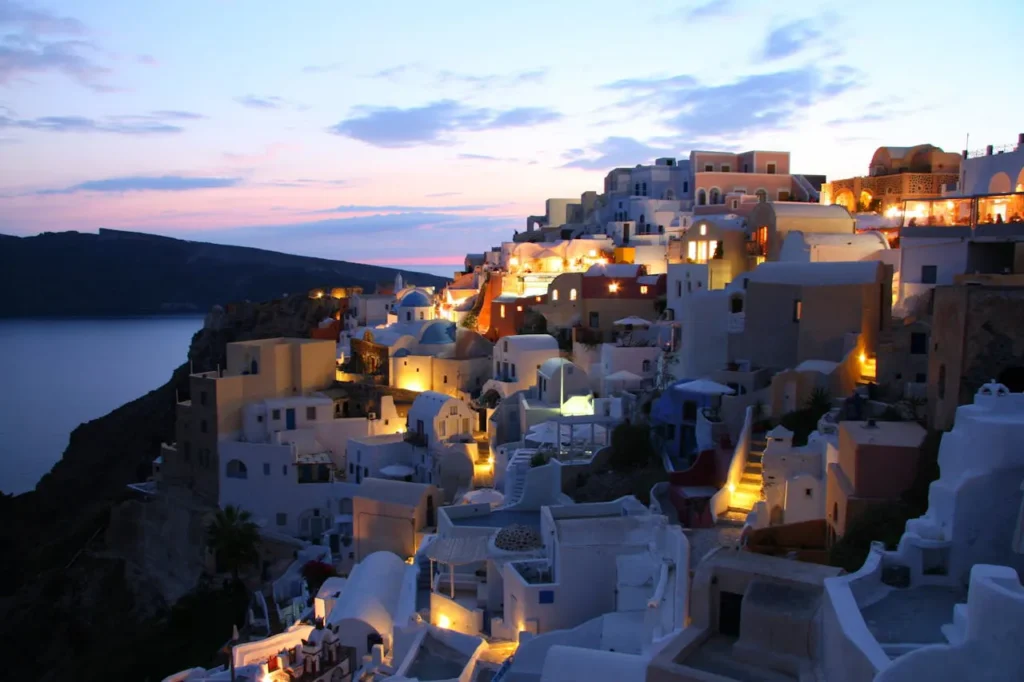
Tourism is one of the most powerful forces in the world. It opens doors to new experiences, cultures, and people, broadening our horizons and creating memories that last a lifetime. As the world becomes increasingly interconnected, more and more people are venturing out to explore every corner of the globe. Whether you’re a seasoned traveler or a first-time adventurer, the world of tourism offers endless opportunities for discovery.
In this blog, we’ll explore the many facets of tourism, how it’s evolved, and how you can make the most of your travel experiences, all while avoiding common pitfalls.
The Evolution of Tourism
Tourism has changed dramatically over the years. From the early days of grand European tours to the rise of budget airlines and digital nomadism, tourism has become more accessible and diverse than ever before.
In the past, traveling was largely reserved for the elite, but with the advent of affordable air travel, online booking platforms, and budget-friendly accommodations like hostels and Airbnb, travel has become more accessible to people from all walks of life. Today, the tourism industry is booming, with millions of people exploring the world each year.
The rise of social media has also reshaped how we travel. People now seek unique, Instagram-worthy locations and experiences to share with their followers. While this has led to the discovery of hidden gems, it’s also created a phenomenon where certain destinations become overcrowded and suffer from over-tourism. This has raised important questions about sustainable travel and how to protect the places we love.
Sustainable Tourism: Traveling Responsibly
As tourism grows, so does the responsibility to protect our planet and its inhabitants. Sustainable tourism focuses on minimizing the negative environmental, social, and economic impacts of travel while maximizing the benefits for local communities. Here are a few ways you can travel responsibly:
- Choose Eco-Friendly Accommodations: Many hotels, resorts, and hostels are now adopting sustainable practices, such as reducing water usage, using renewable energy, and supporting local conservation efforts. Look for accommodations with eco-certifications or those that promote green initiatives.
- Respect Local Cultures: Be mindful of the cultural practices and traditions of the places you visit. Learn about the local customs, dress codes, and etiquette to avoid inadvertently offending anyone. Supporting local artisans and businesses also helps sustain the local economy.
- Reduce Your Carbon Footprint: Traveling by train or bus instead of flying, or choosing direct flights to reduce emissions, are great ways to lessen your environmental impact. You can also offset your carbon emissions by contributing to environmental projects.
- Minimize Waste: Pack reusable items like water bottles, utensils, and bags to avoid contributing to plastic waste. Opt for sustainable products and make an effort to leave no trace during your travels.
Off-the-Beaten-Path Destinations: Escaping the Crowds
One of the most exciting aspects of tourism is discovering new places. While popular destinations like Paris, Rome, and Bali will always be attractive to travelers, the rise of social media and travel blogs has led to the discovery of many lesser-known gems. Escaping the crowds not only offers a more authentic experience, but it also helps alleviate the pressure on over-touristed locations.
Here are a few off-the-beaten-path destinations worth considering:
- Bhutan: This small Himalayan kingdom is famous for its emphasis on Gross National Happiness rather than economic growth. Known for its stunning monasteries, breathtaking mountain views, and commitment to environmental conservation, Bhutan is a serene and unique destination for those looking for peace and mindfulness.
- Faroe Islands: Nestled between Iceland and Norway, the Faroe Islands are a hidden gem that offers dramatic landscapes, picturesque villages, and an untouched atmosphere. The rugged terrain and remote location make it perfect for nature lovers and those seeking solitude.
- Georgia (the country): Often overshadowed by its neighbors, Georgia offers a fascinating blend of history, culture, and natural beauty. From the wine-producing region of Kakheti to the ancient cave city of Uplistsikhe, Georgia offers travelers a chance to explore the lesser-known side of Eastern Europe.
- Ladakh, India: Located in the northernmost region of India, Ladakh is a land of rugged beauty. With its high-altitude deserts, Buddhist monasteries, and clear blue skies, this region offers a peaceful escape from the hustle and bustle of mainstream tourism.
- Colombia: While places like Cartagena and Medellín are gaining popularity, Colombia’s diverse landscapes—from the Amazon rainforest to the Andes mountains—still remain largely undiscovered by mass tourism. The vibrant culture, welcoming locals, and delicious food are just a few reasons to visit.
The Future of Tourism: Technology and Innovation
As technology continues to evolve, so too does the way we travel. In the coming years, we’re likely to see several trends shaping the future of tourism:
- Virtual and Augmented Reality: Imagine touring the Colosseum or the Louvre from the comfort of your home, or using augmented reality to get detailed information about historical sites as you explore them in person. VR and AR are revolutionizing the way we experience destinations.
- Smart Travel: With advancements in artificial intelligence and machine learning, personalized travel recommendations are becoming more accurate. From AI-driven itinerary planners to apps that provide real-time translations, technology is making travel easier and more accessible.
- Space Tourism: While it may sound futuristic, space tourism is becoming a reality. Companies like SpaceX and Blue Origin are working on plans to take civilians into space, offering a once-in-a-lifetime experience that could redefine what it means to travel.
- Hyperloop and Faster Transport: The concept of traveling at incredible speeds—such as through Elon Musk’s Hyperloop system—could drastically reduce travel time between cities, making distant destinations more accessible and encouraging faster exploration of the world.
Tips for a Memorable Travel Experience
To ensure your trips are truly memorable, here are a few travel tips to keep in mind:
- Embrace Slow Travel: Rather than rushing from one destination to another, take time to immerse yourself in the culture and enjoy each place at a leisurely pace. Slow travel often leads to deeper connections and more meaningful experiences.
- Go Beyond the Tourist Attractions: While landmarks are often iconic and worth visiting, don’t forget to explore the local neighborhoods, try regional cuisines, and interact with locals to get a fuller experience of the destination.
- Stay Curious and Open-Minded: Keep an open mind and embrace the unknown. Every culture has something unique to offer, and the more you explore, the more you’ll learn about the world around you.
Conclusion: The World is Waiting for You
Tourism is a powerful tool for personal growth, education, and global understanding. It allows us to discover new places, forge meaningful connections, and explore the beauty of our planet. Whether you’re seeking adventure, relaxation, or cultural immersion, there’s a destination out there waiting for you.
The key is to travel responsibly, be mindful of your impact, and embrace the rich diversity that the world has to offer. So, what are you waiting for? Pack your bags, plan your next adventure, and explore the world beyond the tourist traps.